29/04/2026
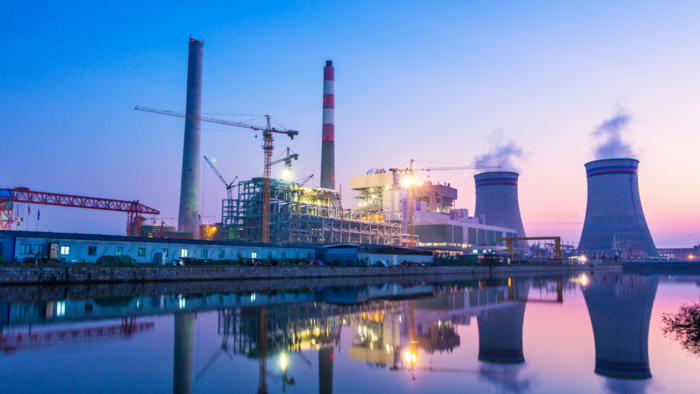
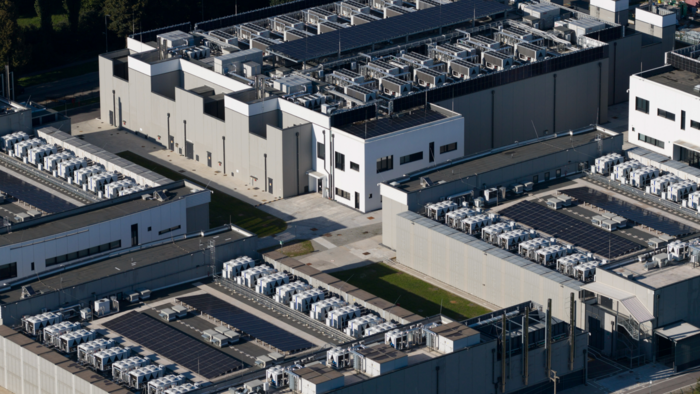
Climate change is driving more frequent and intense heatwaves across Europe, pushing surface water temperatures to levels that increasingly disrupt industries relying on freshwater for cooling. Power plants, data centres and chemical facilities face growing risks: reduced efficiency, curtailments and regulatory constraints on thermal discharge. No current service translates high-resolution climate projections into actionable, site-specific freshwater temperature insights needed for industrial planning. PropheSea, together with RMI and Antea Group will develop a new machine learning demonstrator to face this challenge.
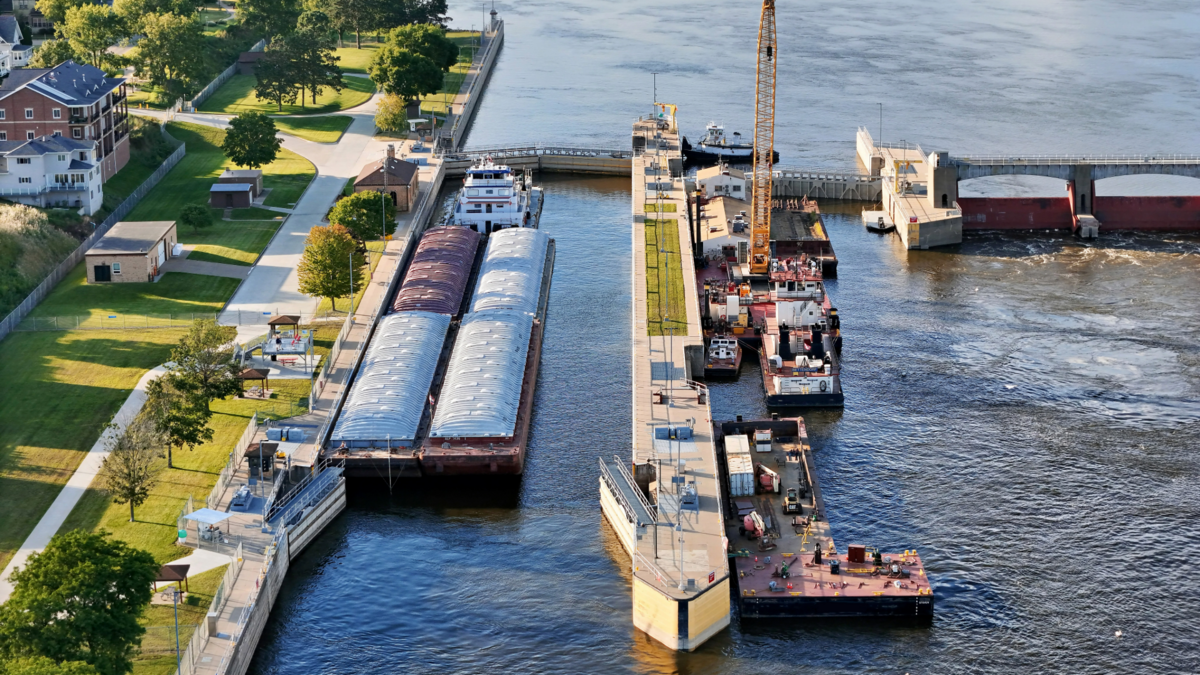
A critical, yet often underappreciated factor in thermal electricity generation planning is the dependency on surface water for cooling purposes. Rising surface water temperatures also pose a direct threat to other industries that depend on freshwater for cooling. When temperatures exceed regulatory or operational thresholds, facilities face efficiency losses, curtailments or temporary shutdowns.
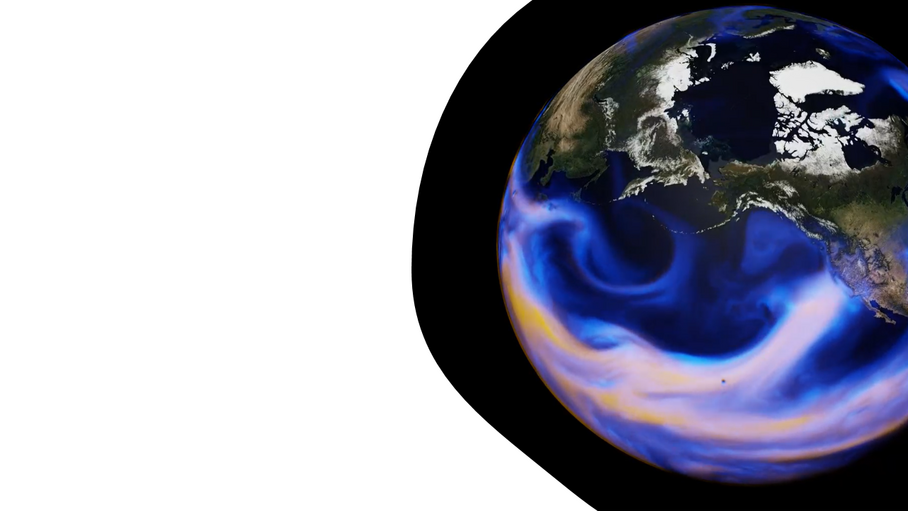
The demonstrator combines the advanced climate modelling capabilities of the Destination Earth Climate Digital Twin with state-of-the-art machine learning to deliver storyline-based freshwater temperature projections at high spatial and temporal resolution for use in industrial contexts. It enables users to examine how temperatures may evolve under future heatwave or drought conditions and to evaluate operational and infrastructure implications.
Machine learning models trained on historical and site-specific data translate Climate DT projections into accurate freshwater temperatures, with a focus on extreme events. Specifically, the system uses advanced machine learning trained on decades of climate and river data to generate probabilistic temperature projections. The derived probability density functions provide stakeholders with robust probabilistic uncertainty estimates to inform threshold-based decision-making.
This approach, in co-design with industrial users, can help them planning for long-term resilience.
The machine learning demonstrator enables a shift from static, conservative infrastructure dimensioning to dynamic, scenario-based resilience planning on the long term. By combining the Climate DT projections with machine learning, the model reflects local conditions more accurately than standard empirical approaches, offering a more nuanced understanding of how thermal stress develops in vulnerable water bodies.
As such, under certain storyline conditions, the number of days with elevated thermal stress could increase by more than 30 % compared to historical averages. Quantifying these shifts allows stakeholders to assess the robustness of current infrastructure, evaluate alternative cooling technologies and inform long-term investment and policy decisions.